While tourists flock to Sri Lanka's west and south coasts, Trincomalee remains the island's best-kept secret — an east coast paradise where powder-white sands meet turquoise waters, world-class dive sites hide beneath the waves, and blue whales glide through the deep blue. This historic port city offers something rare in modern Sri Lanka: pristine beaches without the crowds, authentic Tamil culture, and the magic of visiting during the island's "off-season" when everywhere else is drenched in rain.
From April to September, when Mirissa and Hikkaduwa battle monsoon storms, Trincomalee basks in sunshine. The timing alone makes "Trinco" invaluable for travelers, but it's the experiences that make it unforgettable: snorkeling with blacktip reef sharks at Pigeon Island, diving the legendary HMS Hermes aircraft carrier wreck, watching blue whales breach in calm morning waters, and sinking your toes into Nilaveli Beach — a stretch of sand so perfect it rivals the Maldives at a fraction of the cost.
Trincomalee earns its reputation as Sri Lanka's east coast gem through a combination of natural beauty, historical significance, and impeccable timing.
Stunning East Coast Beaches — Nilaveli Beach stretches for kilometers with powder-white sand, calm turquoise water, and swaying coconut palms. It's consistently rated among Sri Lanka's most beautiful beaches, rivaling the Maldives in beauty but accessible by tuk-tuk rather than seaplane. Uppuveli Beach, though less pristine, offers a more local atmosphere and budget-friendly guesthouses.
World-Class Diving — The HMS Hermes, a British aircraft carrier sunk by Japanese bombers in 1942, rests 54 meters beneath the surface as one of Asia's best wreck dives. Shallower sites around Swami Rock and Pigeon Island reveal vibrant coral gardens teeming with tropical fish. Diving conditions from April to September rival anywhere in the Indian Ocean, with 20+ meter visibility.
Blue Whale Watching — From March to August, blue whales (the largest animals ever to exist on Earth) migrate through the waters off Trincomalee. Peak season is April to July, similar to the famous whale watching in Mirissa. The added bonus? Calmer seas and fewer boats mean a more intimate wildlife experience.
Less Crowded Than West/South Coast — While Unawatuna and Mirissa heave with tourists, Trincomalee maintains a refreshingly local atmosphere. You'll share Nilaveli Beach with a handful of travelers rather than hundreds. Restaurants serve authentic Tamil cuisine alongside tourist favorites. Prices remain reasonable without the tourist markup of southern beach towns.
Opposite Monsoon Season — This is Trincomalee's superpower. When the west coast drowns in southwest monsoon rains (May-September), the east coast enjoys its driest, sunniest weather. Planning a May-August trip to Sri Lanka? Trincomalee transforms from "alternative option" to "only viable beach destination." Smart travelers use this to experience year-round beach weather in Sri Lanka.
Rich Colonial History — Fort Frederick, built by the Portuguese in 1624 and later captured by the Dutch and British, still stands as an active military base. Perched on Swami Rock within the fort, the Koneswaram Temple offers 400-foot clifftop views and centuries of Hindu devotion. The blend of Tamil, Portuguese, Dutch, and British influences creates a unique cultural tapestry distinct from southern Sri Lanka.
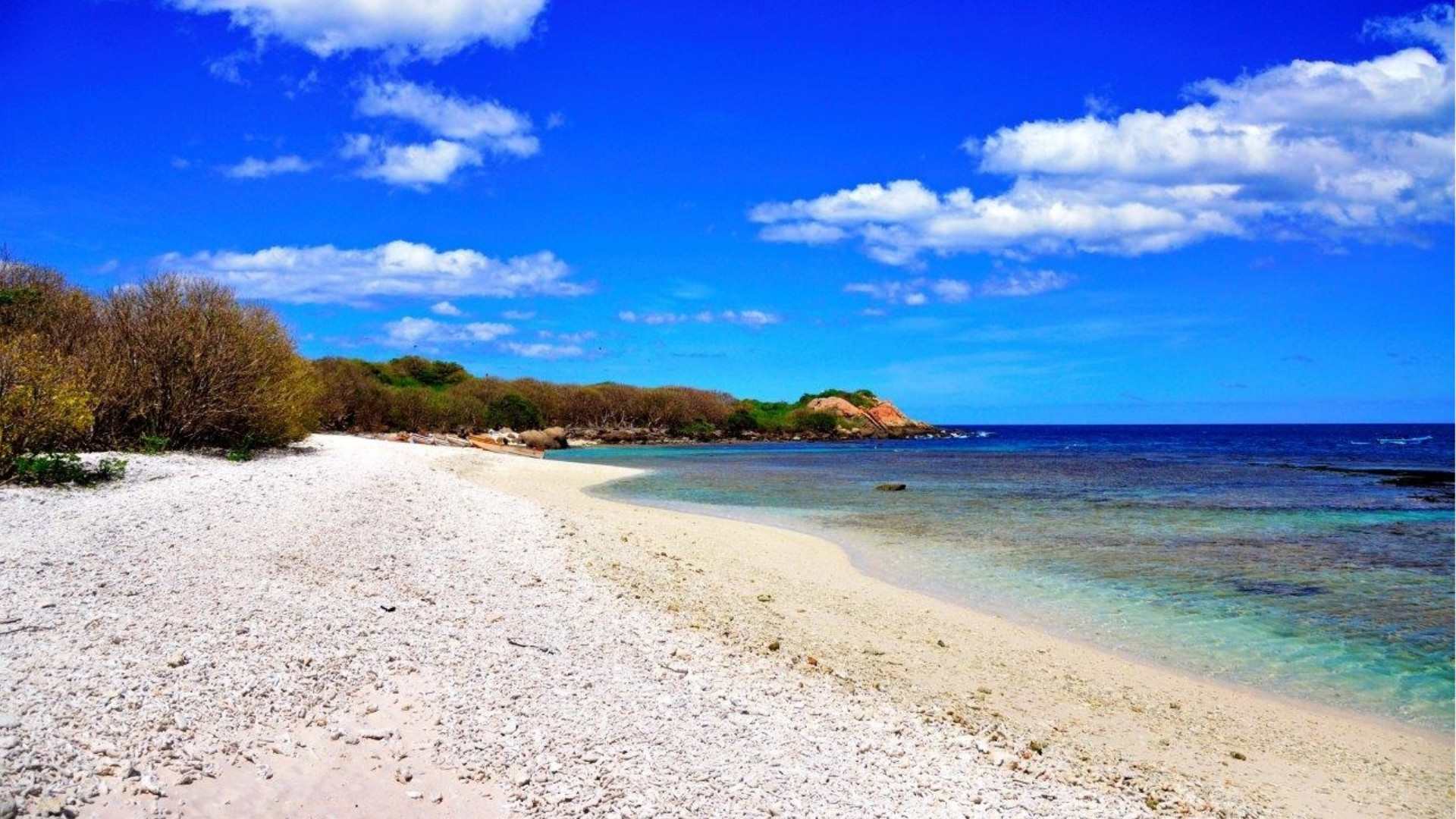
Located 17 km north of Trincomalee, Nilaveli Beach is simply stunning — a long crescent of powder-white sand meeting impossibly blue water. The shallow, calm waters make it perfect for swimming, and the absence of rocks or coral allows safe wading far from shore. This is where you come to do absolutely nothing, and it feels like everything. A tuk-tuk from Trincomalee costs LKR 1,000-1,500, or LKR 500-800 from Uppuveli. Budget a full day to truly appreciate it — bring sunscreen, rent a beach chair (LKR 500-1,000), and order fresh seafood from beachside shacks.
Just 6 km north of Trincomalee, Uppuveli Beach serves as the more accessible, budget-friendly alternative to Nilaveli. While the sand isn't quite as pristine and the water sometimes carries more seaweed, Uppuveli compensates with convenience: dozens of guesthouses (LKR 3,000-5,000), local restaurants, and easy tuk-tuk access (LKR 500-800 from town). The beach stretches for kilometers with fewer resort developments, giving it a more authentic local vibe. Sunsets here are spectacular, best enjoyed from one of the beachside restaurants with a Lion Lager in hand.
This small island 1 km offshore from Nilaveli is one of Sri Lanka's best snorkeling and diving spots. The shallow coral reef around the island bursts with color — parrotfish, angelfish, and butterflyfish dart between brain corals and table corals. The main attraction? Blacktip reef sharks that patrol the sandy channels. These small, harmless sharks are thrilling to encounter but pose zero danger to snorkelers. Boat trips cost LKR 3,000-5,000 per person including snorkeling gear and national park entry. Go early (7:00-8:00 AM) to avoid crowds and enjoy the best visibility. The island has two sections (Pigeon Island and nearby rocky islets) — explore both for maximum reef diversity.
Trincomalee's dive sites rival anywhere in Asia. The crown jewel is the HMS Hermes, a British aircraft carrier sunk by Japanese dive bombers in April 1942. Resting upright at 54 meters, this massive wreck requires advanced certification and nitrox training, but the experience is legendary — swimming through hangars where Swordfish aircraft once sat, seeing the carrier's impressive superstructure, and contemplating the 307 lives lost. Closer to shore, Swami Rock Reef offers easier diving with coral gardens, moray eels, and schools of snapper. Dive shops like Poseidon Diving Centre (Nilaveli) and Srilanka Dive School (Uppuveli) charge LKR 8,000-12,000 per fun dive, or LKR 40,000-55,000 for PADI Open Water certification. Best diving: April-September when visibility reaches 20-30 meters.
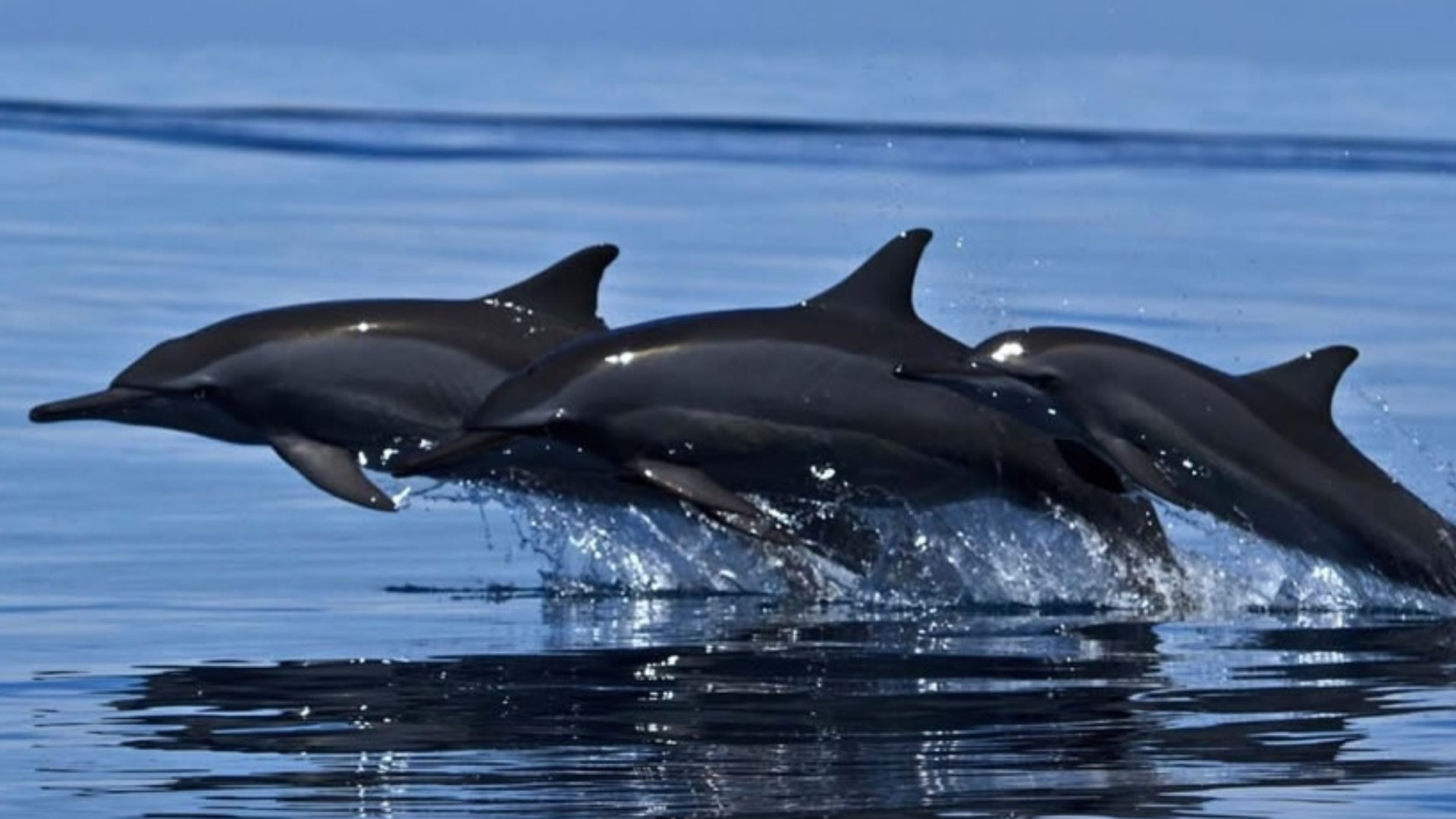
Blue whales, the largest animals ever to exist on Earth, migrate through the waters off Trincomalee from March to August. Unlike the crowded whale watching scene in Mirissa, Trincomalee tours feel more intimate with fewer boats and calmer seas. Peak season is April to July. Sightings are never guaranteed. You may also see spinner dolphins and, with luck, other whales. Tours depart around 6:00-6:30 AM from Nilaveli or Trincomalee harbor, lasting 3-4 hours. Cost: LKR 8,000-12,000 per person. Choose operators who follow responsible whale watching guidelines (maintaining 100m distance, limiting engine noise). The sight of a 30-meter blue whale surfacing beside your boat is genuinely life-changing.
Perched on 400-foot Swami Rock within Fort Frederick, this ancient Hindu temple is one of Sri Lanka's five Ishwarams dedicated to Lord Shiva. The original temple was destroyed by Portuguese colonizers in 1624, with the current structure rebuilt in the 1950s. Beyond its religious significance, Koneswaram offers breathtaking panoramic views of Trincomalee harbor and the endless blue ocean. Visit at sunset when the temple glows golden and devotees perform evening prayers. Modest dress required (shoulders and knees covered). Entry is free, though donations are appreciated.
Built by the Portuguese in 1624, captured by the Dutch in 1639, and later taken by the British, Fort Frederick remains an active Sri Lankan military base — but civilians can enter to visit Koneswaram Temple. Walking through the fort gates feels like stepping back centuries: colonial stone walls, peacocks strutting freely, and massive trees shading the pathways. The fort sits on a peninsula, offering sea views from multiple angles. The combination of military history, natural beauty, and religious significance makes it a fascinating hour-long exploration. Entry is technically free (it's a public road to the temple), but guards may ask for identification.
Located 8 km northwest of Trincomalee, Kanniya Hot Springs features seven natural hot water wells, each maintaining a constant temperature around 40°C (104°F). Legend claims each well has different mineral properties and healing powers. The site is culturally significant to Hindus, with origins dating back over 2,000 years. While not luxurious (expect basic concrete structures around each well), it's an interesting cultural experience. Locals bathe here believing in therapeutic benefits. Entry: LKR 500. Bring a sarong or swimwear. Best visited in the morning to avoid crowds.
About 30 minutes north of Nilaveli by boat, Marble Beach is Trincomalee's most secluded coastal paradise. Accessible only by boat (LKR 3,000-5,000 round trip from Nilaveli), this pristine cove features white sand, crystal-clear water, and excellent snorkeling right off the beach. The remoteness means you might have the entire beach to yourself. Pack food, water, and sunscreen — there are no facilities. The shallow reef just offshore reveals colorful fish and occasional sea turtles. Combine it with Pigeon Island for a full-day boat trip exploring Trincomalee's best coastal spots.
This ancient Buddhist archaeological site, located about 30 km west of Trincomalee near Velgam village, remains blissfully off the tourist radar. Dating back to the 7th-9th centuries, the site features crumbling dagobas (stupas), stone pillars, and moonstone carvings slowly being reclaimed by jungle. Unlike the crowded ruins of Polonnaruwa, you'll likely have Velgam Vihara entirely to yourself. It requires a tuk-tuk (LKR 4,000-6,000 round trip including waiting time) and a guide from the nearby village (tip LKR 500-1,000). History enthusiasts and photographers will love the atmospheric, Indiana Jones-style exploration.
Return to Koneswaram Temple in the evening for one of Sri Lanka's most dramatic sunsets. The 400-foot clifftop vantage point offers unobstructed views of the sun descending into the ocean, painting the sky in oranges, pinks, and purples. Devotees perform evening prayers as the sun sets, adding a spiritual dimension to the natural spectacle. Arrive 30 minutes before sunset to secure a good viewing spot. This costs nothing and provides memories worth far more.
Trincomalee's beaches cater to different priorities, from pristine beauty to budget convenience.
| Beach | Rating | Best For | Pros | Cons |
|---|---|---|---|---|
| Nilaveli Beach | ⭐⭐⭐⭐⭐ | Pure beach beauty, luxury stays | Powder-white sand, turquoise water, calm swimming, photo-perfect | 17 km from town, higher accommodation costs, fewer restaurants |
| Uppuveli Beach | ⭐⭐⭐⭐ | Budget travelers, convenience | Close to town, abundant guesthouses, local vibe, good restaurants | Sand quality below Nilaveli, occasional seaweed, less pristine |
| Marble Beach | ⭐⭐⭐⭐⭐ | Seclusion, snorkeling | Pristine, excellent snorkeling, rarely crowded, adventure appeal | Boat access only, no facilities, requires planning |
| Dutch Bay / Back Bay | ⭐⭐⭐ | Staying in Trinco town | Walking distance from town center, convenient for quick swims | Less scenic, more local fishermen than tourists, not destination-worthy |
Verdict: Stay in Uppuveli for budget and convenience, day-trip to Nilaveli for the best beach experience, and boat to Marble Beach for adventure and seclusion. If budget allows, splurge on a Nilaveli resort for direct access to Sri Lanka's most beautiful east coast beach.
Trincomalee's underwater world rivals its above-water beauty. The combination of shipwrecks, coral reefs, and calm April-September seas makes it one of Sri Lanka's premier dive destinations — less developed than Hikkaduwa but often superior in visibility and marine life diversity.
Depth: 2-8 meters (perfect for snorkeling and beginner divers)
Highlights: Blacktip reef sharks, vibrant coral gardens, tropical reef fish
Cost: LKR 3,000-5,000 (snorkeling including boat and gear)
Best For: Families, first-time snorkelers, photographers
The shallow reef around Pigeon Island bursts with color and life. Snorkelers can easily explore brain corals, table corals, and elkhorn corals while schools of parrotfish, butterflyfish, and wrasse dance around you. The blacktip reef sharks (small, harmless sharks about 1-1.5 meters long) patrol sandy channels — thrilling to encounter but completely safe. Visibility averages 10-15 meters during peak season. Go early morning (7:00-8:00 AM) before boats crowd the area.
Depth: 54 meters (advanced certification required)
Highlights: Massive WW2 aircraft carrier, historical significance, pelagic fish
Cost: LKR 15,000-20,000 per dive
Best For: Advanced divers, history enthusiasts, wreck specialists
Sunk by Japanese dive bombers on April 9, 1942, the HMS Hermes was the world's first purpose-built aircraft carrier. Now she rests upright at 54 meters, slowly transforming into an artificial reef. The wreck measures 182 meters long — too vast to see in one dive. Most dives focus on the flight deck and superstructure. Due to the depth, bottom time is limited (15-20 minutes max) and requires nitrox certification for safety. Barracuda, tuna, and occasionally whale sharks patrol the wreck. This is a bucket-list dive for experienced divers, often cited as one of Asia's best wreck dives.
Depth: 8-18 meters
Highlights: Coral gardens, moray eels, lionfish, schooling snappers
Cost: LKR 8,000-12,000 per dive
Best For: Intermediate divers, macro photography, reef enthusiasts
The reef beneath the dramatic cliffs of Swami Rock offers easier diving than HMS Hermes but equally rewarding marine life. Coral coverage is excellent with healthy hard and soft corals. Look for moray eels poking heads from crevices, camouflaged scorpionfish on the reef, and elegant lionfish hunting at dusk. Schools of snapper and fusiliers swirl above the reef. This site works well for all experience levels and makes an excellent second dive after a morning at Pigeon Island.
Recommended Operators:
• Poseidon Diving Centre (Nilaveli) — rated 4.9 from over 500 reviews on Google Maps (October 2026)
• Srilanka Dive School (Uppuveli) — rated 4.9 from over 350 reviews on Google Maps (October 2026)
• Temple Reef Diving (Nilaveli) — Smaller operation, personalized service
Pricing:
• PADI Open Water Course: LKR 40,000-55,000 (3-4 days)
• Fun Dives (certified divers): LKR 8,000-12,000 per dive
• HMS Hermes Wreck Dive: LKR 15,000-20,000
• Discover Scuba (try dive): LKR 10,000-12,000
Best Diving Season: April to September offers the calmest seas and best visibility (20-30 meters on good days). October to March brings rough seas, reduced visibility, and many dive shops close entirely. If diving is your priority, don't visit Trincomalee outside the April-September window.
Blue whales migrate through the waters off Trincomalee from March to August, offering a spectacular alternative to the more famous whale watching in Mirissa. The key differences? Calmer seas (less seasickness), fewer boats (more ethical wildlife viewing), and the ability to visit during Sri Lanka's "shoulder season" when the south coast is quieter.
Season: March to August is whale season, with April through July the peak. Sightings are never guaranteed. Outside this window, whales are rarely seen.
Species You'll See: Blue whales (the largest animals ever to exist, up to 30 meters long) are the main attraction. Sperm whales appear less frequently. Spinner dolphins perform acrobatic displays, often in pods of 50-100 individuals. You'll likely also see flying fish, sea turtles, and occasionally manta rays.
Tour Details: Boats depart around 6:00-6:30 AM from Nilaveli beach or Trincomalee harbor. Tours last 3-4 hours (shorter than Mirissa's 4-6 hour trips due to closer whale proximity). Most boats carry 15-25 passengers. Bring sunscreen, a hat, water, and motion sickness tablets if you're prone to seasickness (though seas are generally calmer here than Mirissa).
Cost: LKR 8,000-12,000 per person for standard group tours. Some operators offer private charters for LKR 40,000-60,000 (up to 6 people).
Responsible Whale Watching: Choose operators who maintain 100 meters distance from whales, limit engine noise around marine mammals, and follow Sri Lanka's whale watching guidelines. Avoid boats that chase whales or get too close — this stresses the animals and teaches them to avoid boats, reducing future sighting success. Ask operators about their ethical policies before booking.
Accommodation divides into three areas: Nilaveli (luxury beach resorts), Uppuveli (mid-range and budget guesthouses), and Trincomalee town (basic budget options). Most travelers choose Uppuveli for its balance of beach access, affordability, and restaurant options.
Anilana Nilaveli — LKR 35,000+ per night
Upscale resort directly on Nilaveli Beach with spacious rooms, infinity pool, spa, and excellent restaurant. Perfect for honeymooners or those seeking resort luxury. The private beach section is immaculate.
Nilaveli Beach Hotel — LKR 15,000-20,000 per night
Mid-range resort offering good value with beachfront bungalows, a large pool, and helpful staff. Less polished than Anilana but at half the price.
Pigeon Island Beach Resort — LKR 8,000-12,000 per night
Simple beachfront hotel with clean rooms, friendly management, and the best location for Pigeon Island boat trips (boats depart right from the beach). Budget-luxury sweet spot.
Uga Bay — LKR 25,000-35,000 per night
Upscale resort in Uppuveli with contemporary design, beachfront pool, excellent restaurant, and spa. Attracts couples and families seeking luxury without Nilaveli's remoteness.
Sea Lotus Park Hotel — LKR 6,000-8,000 per night
Budget-friendly hotel with basic but clean rooms, helpful staff, and short walk to the beach. No pool or frills, but unbeatable value.
Guesthouses — LKR 3,000-5,000 per night
Dozens of family-run guesthouses line the road behind Uppuveli Beach. Expect simple rooms with fan or AC, shared or private bathrooms, and friendly hosts who cook excellent home-cooked meals. Search "Uppuveli guesthouse" on booking platforms or walk the main road asking for "room for rent."
Basic guesthouses in Trincomalee town cost LKR 2,500-4,000 per night. These suit ultra-budget travelers or those catching early transport, but the town beaches are inferior to Uppuveli/Nilaveli. Most travelers skip staying in town itself.
Where to Stay?
• Nilaveli: Choose if beach quality is paramount and budget allows
• Uppuveli: Best overall choice for balance of beach access, restaurants, and budget options
• Trincomalee Town: Only if on extreme budget or need proximity to bus/train stations
Trincomalee's Tamil majority means excellent South Indian cuisine alongside Sri Lankan favorites. Fresh seafood dominates menus — crab, prawns, and fish caught daily.
Nilaveli: Resort restaurants dominate, with beachside cafes serving fresh seafood, grilled fish (LKR 1,500-2,500), prawn curry (LKR 2,000-3,000), and cold beer. Most hotels allow non-guests to dine at their restaurants. Bring cash — credit cards aren't always accepted.
Uppuveli: The best restaurant selection in Trincomalee. Fernando's Bar on Beach Road is one of the most reviewed places on Google Maps (rated 3.7 from over 1,100 reviews, October 2026). Dozens of small restaurants along the main road offer budget meals: fried rice (LKR 800-1,200), kottu (LKR 600-1,000), and dosas (LKR 300-500).
Trincomalee Town: The Dutch Hospital area (yes, like Colombo's) has been converted into restaurants and cafes, though less polished than the capital's version. Don't miss the kottu stalls near the central market — noisy, chaotic, and delicious (LKR 400-600).
Must-Try: Tamil crab curry, fresh grilled fish, mutton kottu, masala dosa for breakfast, and fresh fruit juices (LKR 200-400).
Trincomalee sits on Sri Lanka's northeast coast, about 260 km from Colombo. Most travelers arrive from Colombo, though Cultural Triangle towns (Polonnaruwa, Sigiriya) offer shorter journeys.
From Colombo:
• Private Car/Taxi: 6-7 hours, LKR 20,000-30,000. Most comfortable option allowing stops at scenic viewpoints. Book through your hotel or trusted transport operators.
• Train: 8-9 hours from Colombo Fort Station, LKR 400-600 (2nd/3rd class), LKR 1,000-1,500 (1st class). The scenic route cuts through countryside, paddy fields, and villages. Book 1st class for AC comfort. Trains depart early morning and evening.
• Bus: 7-8 hours, LKR 600-900. Cheapest option but less comfortable (crowded, no AC on most buses). Buses depart from Colombo's Bastian Mawatha station.
From Polonnaruwa: 2.5 hours (110 km), LKR 8,000-12,000 by car. Excellent route for combining Cultural Triangle exploration with east coast beaches.
From Sigiriya: 3 hours (140 km), LKR 10,000-15,000 by car. Many travelers do Sigiriya → Trincomalee as a logical Sri Lanka itinerary progression.
From Kandy: 4-5 hours (180 km), LKR 15,000-20,000 by car. Scenic mountain-to-coast journey.
Trincomalee's greatest asset is its opposite monsoon pattern compared to Sri Lanka's west and south coasts. Understanding this timing is crucial for planning.
Peak Season (April-September): This is Trincomalee's dry season, with sunshine, calm seas, and minimal rainfall. May through August offers the driest weather and calmest seas — ideal for diving (20-30m visibility), snorkeling, and whale watching. Temperatures hover around 28-32°C (82-90°F). Accommodation prices peak in July-August but remain lower than west coast high season prices.
Best Months (May-August): If you can only visit once, aim for this window. Dry, sunny, calm seas, peak diving conditions, and whale watching season. This is when Trincomalee truly shines while the west coast drowns in rain.
Avoid (October-January): The northeast monsoon brings heavy rain, rough seas, and closed dive shops. Beaches become less appealing with choppy water and gray skies. Many hotels close entirely or offer steep discounts (LKR 2,000-3,000 for rooms normally LKR 8,000+), but you'll understand why when rain pours for days. Only visit during monsoon if you're genuinely okay with indoor activities and rough conditions.
Whale Watching Season: March to August, peaking April-July. Plan your visit during this window to combine beach time with whale watching.
The East Coast Advantage: When planning Sri Lanka travel, remember that Trincomalee's April-September peak season is when the west coast (Colombo, Negombo, Bentota) and south coast (Mirissa, Unawatuna, Hikkaduwa) experience monsoon rains. Smart travelers use this to enjoy year-round beach weather in Sri Lanka — visit the west/south coast from November to March, then switch to the east coast (Trincomalee, Arugam Bay, Batticaloa) from April to September. Check the full Sri Lanka weather guide for detailed monsoon timing.
Money & ATMs: ATMs are available in Trincomalee town with most major banks represented (Commercial Bank, Bank of Ceylon, Sampath Bank). Uppuveli has limited ATMs, and Nilaveli has none. Withdraw enough cash in Trincomalee town before heading to the beaches. Most guesthouses, restaurants, and activity operators accept cash only. Budget LKR 5,000-10,000 per day for meals, transport, and activities.
Language: Trincomalee district is Tamil-majority, so Tamil is the primary local language. Sinhala is understood by some, particularly in tourism areas. English is spoken by hotel staff, tour operators, and restaurant workers but less common than in Colombo or the south coast. Learning a few Tamil phrases ("Vanakkam" = hello, "Nandri" = thank you) earns appreciative smiles.
Safety: Trincomalee is safe for tourists. The region has been peaceful since 2009, and locals are welcoming. Standard precautions apply: watch belongings on beaches, use registered tuk-tuk drivers, avoid isolated areas at night. Swimming safety depends on tides and season — always ask locals about current conditions before entering the water. Jellyfish stings are rare but possible; ask locals if any have been spotted recently.
What to Pack: High-SPF sunscreen (sun is intense), reef-safe sunscreen for snorkeling (protect coral), light cotton clothing, swimwear, sarong (for temple visits and beach cover), hat, sunglasses, mosquito repellent, motion sickness tablets (for whale watching), underwater camera or GoPro (rental available from dive shops), and modest clothing for Koneswaram Temple (shoulders and knees covered).
Internet & SIM Cards: Most hotels and guesthouses offer WiFi, though speeds can be slow in budget places. Buy a local SIM card in Colombo or Trincomalee town (Dialog, Mobitel, or Hutch) for mobile data — essential for navigation and booking activities. A tourist SIM with 20-30 GB costs LKR 1,500-2,500.
Cultural Sensitivity: When visiting Koneswaram Temple or other religious sites, dress modestly (shoulders and knees covered), remove shoes before entering, and ask before photographing worshippers. Trincomalee's Tamil culture differs from Sinhala areas — showing respect for these differences enhances your experience.
The best time to visit Trincomalee is April to September, when the east coast enjoys dry, sunny weather while the west coast experiences monsoon rains. May through August offers the calmest seas (perfect for diving and whale watching), warmest sunshine, and lowest rainfall. Avoid October to January when the northeast monsoon brings rough seas and heavy rain. March to August is whale watching season. Trincomalee's opposite monsoon pattern makes it ideal when beaches like Mirissa and Hikkaduwa are wet.
Absolutely! Trincomalee offers some of Sri Lanka's most pristine beaches (Nilaveli rivals the Maldives), world-class diving including the HMS Hermes aircraft carrier wreck, blue whale watching rivaling Mirissa, and a refreshingly less-touristy atmosphere. It's perfect if you want stunning beaches without the crowds of the south coast. The east coast's opposite monsoon season (April-September) makes it invaluable for year-round Sri Lanka travel planning. Budget 3-5 days to fully experience the beaches, diving, and cultural sites.
Nilaveli Beach is superior for pure beach beauty — powder-white sand, turquoise water, and picture-perfect scenery rival the Maldives. It's 17 km north of Trincomalee and feels more remote. Uppuveli Beach (6 km north) is more convenient with better budget accommodation options, more restaurants, and easier access to town. Choose Nilaveli if beach quality is your priority and you have a higher budget for resorts. Choose Uppuveli if you want convenience, budget guesthouses, and a more local atmosphere. Many visitors stay in Uppuveli but day-trip to Nilaveli.
Yes, Trincomalee is safe for tourists in 2026. The region has been peaceful since 2009, and tourism infrastructure has steadily improved. The Tamil-majority area is welcoming to visitors, with locals eager to share their culture. Standard travel precautions apply: watch your belongings on beaches, use registered tuk-tuk drivers, avoid isolated areas at night, and confirm boat operator licenses for diving and whale watching. The bigger risks are sunburn and jellyfish stings (rare) rather than crime. Swimming safety depends on tides and season — always check conditions before entering the water.
3-5 days is ideal for Trincomalee. A 3-day itinerary covers: Day 1 — Arrive, relax at Nilaveli Beach, sunset at Koneswaram Temple; Day 2 — Pigeon Island snorkeling or diving, afternoon at Uppuveli Beach; Day 3 — Whale watching tour (morning), visit Fort Frederick and Kanniya Hot Springs. Add extra days for scuba diving courses (HMS Hermes wreck requires 2+ days if combining with training), exploring Marble Beach, or simply unwinding on pristine sands. Many travelers spend a week beach-hopping between Nilaveli and Uppuveli.
Yes, Nilaveli and Uppuveli beaches offer excellent swimming from April to September when seas are calm and clear. Nilaveli has particularly gentle, shallow water ideal for families and non-swimmers. Uppuveli can have stronger currents depending on tides. Avoid swimming during the monsoon season (October-January) when rough seas create dangerous conditions. Always check with locals or hotel staff about current conditions. Dutch Bay and Back Bay in Trincomalee town are swimmable but less scenic. No lifeguards are present, so swim during daylight hours and never alone.
Trincomalee rewards travelers who venture beyond Sri Lanka's well-trodden south coast path. Here, powder-white Nilaveli Beach stretches endlessly toward the horizon, blue whales breach in turquoise waters, and the HMS Hermes wreck rests silently 54 meters below the surface, waiting for adventurous divers. The east coast's opposite monsoon timing transforms Trincomalee from "alternative destination" to "essential stop" for travelers visiting Sri Lanka from April to September.
Whether you're snorkeling with blacktip sharks at Pigeon Island, watching sunrise from a whale watching boat, exploring the ancient Koneswaram Temple perched on dramatic cliffs, or simply doing nothing on pristine sands, Trincomalee offers the rare gift of unhurried beauty. The beaches here don't just rival the south coast — they often surpass them in natural beauty and authentic atmosphere.
Pack your reef-safe sunscreen, book that dive shop, and prepare for east coast magic. The turquoise waters are calling, and Trincomalee is ready to show you why it's Sri Lanka's best-kept secret. For more Sri Lanka travel tips and destination guides, explore our complete travel blog and start planning your perfect island adventure.
Whale watching, Pigeon Island snorkeling, and safari drives — bookable with instant confirmation.
Related Articles:
• Mirissa Travel Guide 2026 — Whale Watching, Beaches & Nightlife
• Best Beaches in Sri Lanka 2026 — Ultimate Coastal Guide
• Hikkaduwa Beach Guide 2026 — Surfing, Diving & Nightlife
• Sri Lanka Weather Guide 2026 — When to Visit Each Region
• Sri Lanka Travel Budget 2026 — Daily Costs & Money-Saving Tips
• Getting Around Sri Lanka — Complete Transport Guide 2026
• Polonnaruwa Ancient City Guide 2026 — Ruins, History & Visiting Tips