Mirissa Sri Lanka is where paradise found its perfect balance. This crescent-shaped fishing village on the southern coast has mastered the art of being laid-back without being boring — pristine beaches by day transform into thumping beach parties by night, while early mornings bring encounters with the planet's largest creatures just offshore.
As Sri Lanka's whale watching capital, Mirissa offers one of the world's most reliable opportunities to see blue whales in their natural habitat. Between December and April, these ocean giants migrate past the coast, often visible within an hour's boat ride. But Mirissa Beach isn't just about marine life — powdery sand beaches framed by coconut palms, Secret Beach's hidden cove, and the iconic Coconut Tree Hill create the Instagram-perfect tropical escape you've been dreaming about.
Whether you're a backpacker seeking budget beach vibes, a nature enthusiast chasing whales, or a party lover ready for full moon celebrations, this Mirissa travel guide covers everything you need to experience Sri Lanka's most enchanting beach town.
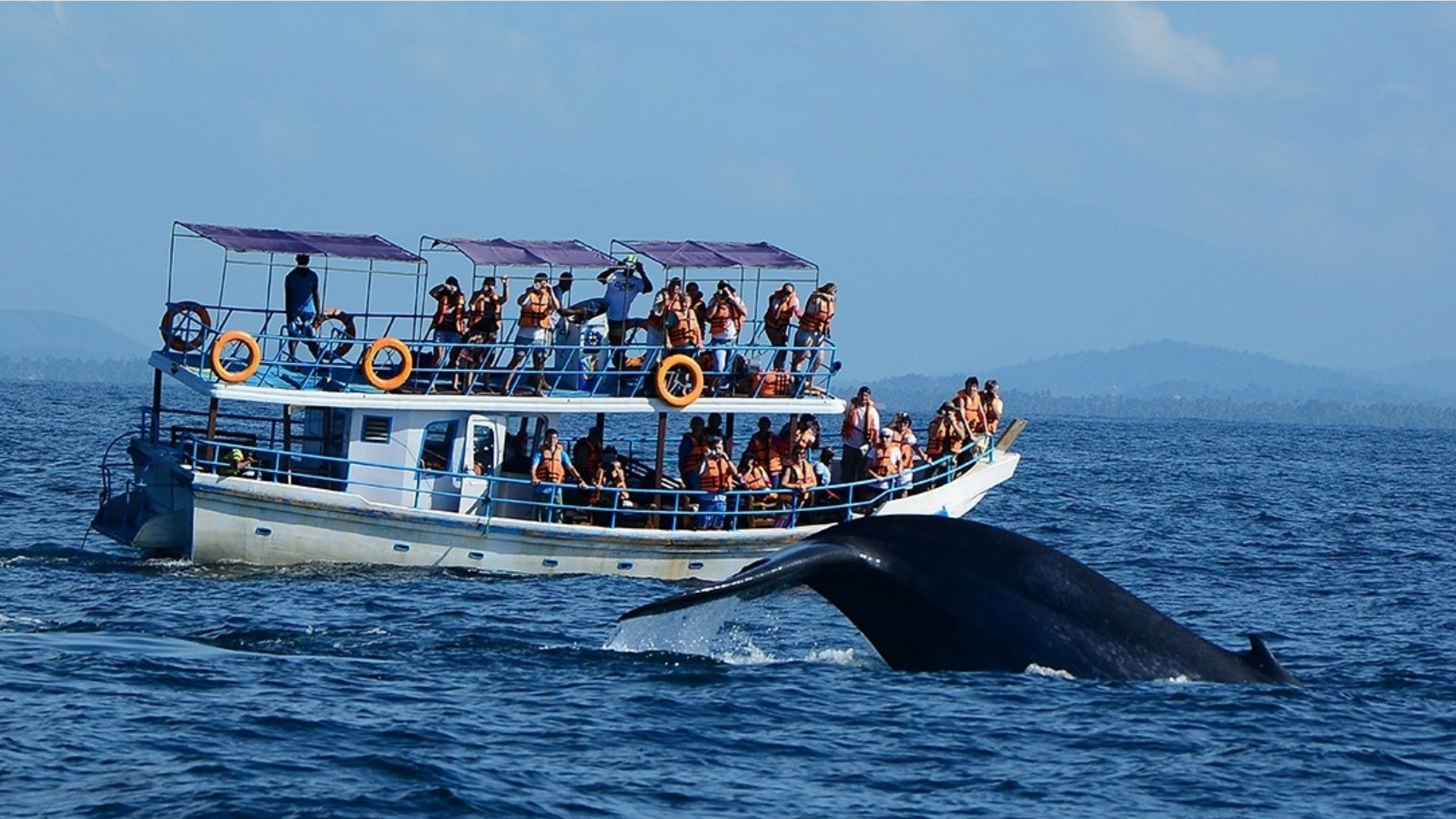
World-Class Whale Watching: Mirissa ranks among the top five whale watching destinations globally. During peak season (December-April), you have a 90-95% chance of seeing blue whales — the largest animals ever to exist on Earth. Unlike many whale watching spots worldwide, Mirissa's whales swim relatively close to shore (5-15 km), meaning shorter boat trips and higher success rates.
Pristine Beach Paradise: Mirissa Beach remains refreshingly undeveloped compared to overcrowded tourist beaches. No high-rise hotels block sunset views, no jet skis shatter the tranquility. Just golden sand, turquoise water, coconut palms swaying in the breeze, and fishing boats returning with the day's catch. The beach curves gently, creating calm swimming conditions perfect for relaxing after your whale watching adventure.
Legendary Beach Nightlife: When the sun sets, Mirissa reveals its party soul. Beach bars like Zephyr and Hangover transform into thumping clubs, fire dancers perform on the sand, and travelers from around the world gather for sunset cocktails. The scene peaks during full moon parties when the entire beach becomes one massive celebration. It's not Goa-level chaos — more like a sophisticated beach party vibe.
Authentic Sri Lankan Charm: Despite its popularity, Mirissa retains genuine character. Local families still fish using traditional methods, the Dewmini Roti Shop serves authentic Sri Lankan breakfast to both tourists and fishermen, and you'll spot Buddhist monks receiving alms at dawn. The town hasn't sold its soul to tourism — it's simply sharing its coastal beauty with the world.
The whale watching experience begins before sunrise. Tours depart around 6:00-6:30 AM from Mirissa Harbor, heading 5-15 kilometers offshore where the continental shelf drops to 1,000+ meters. This deep water attracts blue whales, sperm whales, and occasionally orcas feeding on squid and krill.
What to expect: Tours last 3.5-5 hours. You'll likely see spinner dolphins (99% chance) performing acrobatic leaps, sea turtles surfacing for air, and flying fish gliding above waves. Blue whale sightings peak between January and March — these 30-meter giants surface every 10-15 minutes to breathe, creating spectacular blows visible from kilometers away. Some lucky groups witness whales breaching (jumping entirely out of water), though this is rare.
Booking tips: Reserve 1-2 days in advance during December-April. Premium small-group tours (LKR 18,000-22,000 / USD 50-60) offer better viewing angles and less crowding than budget boats. Tours include life jackets and sometimes breakfast. Bring seasickness medication if prone to motion sickness — the Indian Ocean can be choppy even during calm season.
| Whale Watching Details | Information |
|---|---|
| Peak Season | December to April (best: January-March) |
| Tour Duration | 3.5-5 hours (depart 6:00-6:30 AM) |
| Standard Tour Cost | LKR 11,000-15,000 (USD 30-40) |
| Premium Small Group | LKR 18,000-22,000 (USD 50-60) |
| Success Rate (Dec-Apr) | 90-95% blue whale sightings |
| What to Bring | Sunscreen, hat, camera, motion sickness meds, light jacket |
The main Mirissa Beach curves gracefully for about one kilometer, bordered by coconut palms and colorful fishing boats. The sand is golden-white and soft, perfect for barefoot walks at sunset. Unlike some Sri Lankan beaches with strong currents, Mirissa's crescent shape creates relatively calm swimming conditions, especially near the western end.
Best spots on the beach: The western end near the rocks offers calmer water and fewer crowds. The central area has beach bars with sun loungers (free if you order drinks/food). The eastern section near the harbor sees fishing activity in early morning and late afternoon — a great spot to watch traditional stilt fishermen and purchase fresh catch directly from returning boats.
Swimming safety: The beach is generally safe, but check conditions with locals before swimming. Rip currents can develop during certain tides, particularly near the full and new moon. Never swim intoxicated after beach parties — several drowning incidents have occurred over the years. The beach lacks lifeguards, so swim responsibly.
Beach activities include paddleboarding (LKR 1,500/hour rental), beach volleyball, and sunset yoga sessions offered by several guesthouses (LKR 2,000-3,000 per class). Massage ladies walk the beach offering 30-minute massages for LKR 2,500-3,500 — negotiate prices politely.
This small hillock covered in towering coconut palms has become Mirissa's most photographed location. The palms lean dramatically toward the ocean, creating that perfect tropical postcard shot. It's a 10-minute walk from the main beach (or 5 minutes by tuk-tuk for LKR 300).
Best times to visit: Sunrise (5:45-6:30 AM) offers soft golden light with fewer crowds. Sunset (5:30-6:15 PM) is magical but expect 20-30 other photographers jostling for angles. Midday light is harsh and overcrowded — skip this time unless you don't care about photo quality.
Photo tips: Climb the path on the right side for elevated views. The classic shot features palms framing the Indian Ocean horizon. Wear flowy dresses or light-colored clothing for best contrast. Go during weekdays to avoid weekend crowds. No entrance fee, but expect coconut vendors trying to sell fresh coconuts (LKR 200-300 — actually quite refreshing).
How to get there: Walk west along the beach, pass the Parrot Rock restaurant, then turn inland following signs. The path is easy but wear proper footwear — flip-flops work but trainers are more comfortable. Total walk from main beach: 10-12 minutes.
Secret Beach isn't exactly secret anymore, but it remains far less crowded than the main beach. This small cove sits beyond Coconut Tree Hill, accessible via a short scramble over rocks at low tide or a inland path through private property (locals may ask LKR 200-500 as an informal "path fee").
The beach is tiny — maybe 50 meters wide — but incredibly picturesque with dramatic rock formations, turquoise water, and excellent snorkeling around the rocks. Swimming is only safe at low to mid tide; high tide brings strong waves crashing against rocks. Check tide times with your guesthouse before going.
Bring snorkeling gear (rent from shops on main beach for LKR 500-800/day) to explore the rocky reef. You'll likely see colorful fish, sea urchins, and sometimes turtles. The beach has no facilities — bring water, snacks, and sun protection. It's perfect for a romantic escape or quiet reading spot away from main beach parties.
While Mirissa isn't Sri Lanka's premier dive destination (that honor goes to Trincomalee and Batticaloa), several sites offer worthwhile underwater experiences, especially for beginners.
Snorkeling: The best snorkeling is around the rocks at Secret Beach and near Parrot Rock at the western end of the main beach. Visibility ranges 5-15 meters depending on conditions. You'll see sergeant majors, parrotfish, triggerfish, and moray eels hiding in rock crevices. Snorkeling gear rental costs LKR 500-800 per day from beach shops.
Diving: Several dive centers offer PADI courses and guided dives. Sites include coral reefs, rock formations, and occasional wreck dives. A single dive with equipment costs LKR 11,000-14,000 (USD 30-38). Open Water PADI certification runs LKR 55,000-75,000 (USD 150-200) over 3-4 days. Best diving conditions occur December through April when seas are calmest.
Popular dive operators include Mirissa Water Sports and Dive Sri Lanka Mirissa. Always verify instructor certifications and equipment quality before booking. Some operators combine diving with dolphin watching for a full marine experience.
Mirissa offers gentle waves perfect for surf beginners, though serious surfers should head to nearby Weligama where consistent breaks suit all skill levels. Mirissa's waves work best during the southwest monsoon (May-September), ironically when whale watching is impossible — nature's way of balancing activities.
Surf lesson costs: 2-hour beginner lessons cost LKR 5,500-8,000 (USD 15-22) including board rental and instruction. Most students stand up within the first session. Surfboard rental alone runs LKR 1,500-2,500 per day. Beach surf schools operate November through March, though peak surf season is May-September.
For committed surfers, take a 15-minute tuk-tuk to Weligama (LKR 1,000-1,500) where the bay's consistent, mellow waves create Sri Lanka's best beginner surf spot. Weligama also has more surf schools, better rental equipment, and a surf-focused community.
Mirissa's nightlife scene punches well above its size. This isn't a full-blown party destination like Thailand's islands, but it offers surprisingly vibrant beach bars, sunset parties, and occasional full moon celebrations that attract travelers from across the south coast.
Zephyr Bar: The undisputed nightlife king of Mirissa. This two-story beach bar combines sunset cocktails with late-night DJ sets. Happy hour (5:00-7:00 PM) brings discounted cocktails (LKR 800-1,200). Around 10:00 PM, the music intensifies, and the crowd moves from lounging to dancing. Expect electronic, house, and reggae vibes. Open until 2:00-3:00 AM during high season. Cocktails LKR 1,200-1,800, beers LKR 600-900.
Hangover Mirissa: Another beachfront favorite with a more laid-back vibe than Zephyr. Great for sunset watching with bean bags on the sand. Live music some nights (acoustic and reggae bands). The crowd skews slightly older (late 20s-40s) compared to Zephyr's younger backpacker scene. Excellent cocktails and surprisingly good food. Open until 1:00-2:00 AM.
Zoombie Bar: Hidden gem frequented by locals and long-term travelers. Cheaper drinks (beers LKR 400-600), pool table, and chilled reggae atmosphere. Less polished than tourist bars but more authentic. Good place to meet local surfers and expats. Closes around midnight.
Full Moon Parties: When the full moon rises, Mirissa's beach transforms into one massive party. Multiple bars combine efforts, fire dancers perform, and international DJs sometimes fly in for the event. Expect crowds of 200-500 people depending on the season. Check locally for exact dates and locations — parties sometimes move between beaches.
Beyond beach bars, several restaurants transform into drinking spots after dinner. Raja and the Whales serves craft cocktails until midnight, while Dewmini Roti Shop (yes, the breakfast place) becomes a surprising late-night hangout for locals sharing bottles of arrack.
What to know: Mirissa nightlife is seasonal. December through March sees packed venues and frequent parties. April through November is much quieter with some bars closing completely during monsoon months. The scene is friendly and welcoming — solo travelers easily make friends at beach bars.
Mirissa's food scene exceeds expectations for a small beach town. Fresh seafood dominates menus, but you'll find excellent vegetarian options, international cuisine, and authentic Sri Lankan food at budget-friendly prices.
Papa Mango: Beachfront dining with your toes in the sand. The grilled fish platter (LKR 2,500-3,500) features whatever was caught that morning — tuna, barracuda, red snapper — grilled to perfection with garlic butter. Their seafood curry (LKR 1,800-2,200) bursts with coconut cream and local spices. Sunset views are stunning. Book ahead during high season.
Wijaya Beach Restaurant: Family-run spot where fishermen sell the day's catch displayed on ice. Choose your fish, they cook it your way — grilled, fried, or curried. Prices by weight (approximately LKR 1,500-2,500 per portion depending on fish type). The grilled prawns (LKR 2,800) are massive and succulent. Cash only, bring mosquito repellent for evening dining.
Harbor Market: Not a restaurant but worth mentioning. Every evening around 4:00-6:00 PM, fishermen return and sell directly from their boats. Buy fresh fish (LKR 800-1,500 per kg depending on type) and ask your guesthouse to cook it for a small fee (LKR 500-1,000). This is how budget travelers enjoy fresh seafood without restaurant prices.
Dewmini Roti Shop: The legendary breakfast spot every traveler eventually discovers. This no-frills family operation serves the best kottu roti (LKR 500-900), egg roti (LKR 300-500), and dhal curry (LKR 400) on the south coast. Open from 7:00 AM until late evening. Expect crowds between 8:00-10:00 AM. The chicken kottu (LKR 800) is addictively spicy. Locals and tourists sit shoulder-to-shoulder on plastic stools — absolutely authentic.
Royal Crown: Sri Lankan rice and curry served on banana leaves (LKR 600-1,000). You get a massive plate with 8-10 curries, papadum, and sambols. Spice levels range from mild to "why is my face melting" — request medium unless you're experienced with Sri Lankan heat. The fish ambul thiyal (sour fish curry) is exceptional. Open 11:00 AM-10:00 PM.
Matara Café: Hipster coffee shop with excellent vegetarian and vegan menu. Smoothie bowls (LKR 1,200-1,500), avocado toast (LKR 900), falafel wraps (LKR 850), and proper espresso-based coffee (LKR 500-800). Great WiFi makes it a digital nomad hangout. Their vegan curries (LKR 1,100) prove Sri Lankan food works brilliantly without meat.
Karma Kafe: Beachfront vegetarian restaurant with international menu. Wood-fired pizzas (LKR 1,500-2,200), Thai curries (LKR 1,300-1,800), and surprisingly good Mexican food. The hummus platter (LKR 1,100) is generous. Many vegan options clearly marked. Sunset views included.
Raja and the Whales: Mirissa's most sophisticated restaurant. Modern fusion cuisine blending Sri Lankan flavors with international techniques. The tuna tartare (LKR 2,200) and lobster curry (LKR 4,500) justify the splurge. Extensive wine list (rare in beach towns). Mains run LKR 2,500-5,500. Reservations recommended for sunset tables.
Sugar Bistro & Wine Bar: Another upscale option with Mediterranean-inspired menu. The grilled octopus (LKR 2,800) and lamb rack (LKR 4,200) showcase excellent ingredients and technique. Craft cocktails (LKR 1,500-2,000) are creative and well-balanced. Dress slightly nicer than beach wear — at least put on pants.
Mirissa accommodation ranges from budget hostels to boutique beach villas. Location matters — stay near the beach for party access, or choose inland guesthouses for peaceful sleep.
Happy Banana: Backpacker favorite with dorm beds (LKR 1,800-2,500) and private rooms (LKR 3,500-5,000). Pool, communal kitchen, and social atmosphere perfect for meeting travelers. Five-minute walk from beach. Book through Friday.lk Hostels for verified reviews and instant booking.
Hangover Hostel: Connected to Hangover bar (expect noise until 2:00 AM). Dorms LKR 1,500-2,200, private rooms LKR 4,000-6,500. Beachfront location is unbeatable. Daily boat trips and surf lessons organized. Only stay here if you party — sleep is optional.
Mirissa Eye Hostel: Quieter option set back from beach. Clean, well-maintained, friendly staff. Dorms LKR 2,000-2,800, private rooms LKR 4,500-6,000. Rooftop terrace with hammocks. Ten-minute walk to beach keeps noise levels down.
Mandara Resort: Beach-adjacent with pool, spacious rooms, and balconies. Rooms LKR 6,500-8,500 including breakfast. Family-friendly with calm vibe. Close enough to walk to nightlife but far enough for peaceful sleep. Excellent value.
Palace Mirissa: Small guesthouse with personal attention. Rooms LKR 5,000-7,500. The owners arrange whale watching tours, provide beach equipment, and offer honest travel advice. Simple but spotlessly clean with air conditioning.
Sea Shells Mirissa: Garden setting with pool, five minutes from beach. Rooms LKR 5,500-9,000. Quiet, well-maintained, and family-run. The breakfast (included) features excellent Sri Lankan options alongside Western choices.
Cape Weligama: Technically in nearby Weligama but worth mentioning. Five-star luxury resort with clifftop infinity pools, multiple restaurants, and private villas. Rooms start LKR 35,000+ but the experience justifies the cost if you're splurging. The spa is exceptional.
W15 Escape: Boutique property in Mirissa with modern design and ocean views. Rooms LKR 12,000-18,000. Small pool, excellent restaurant, and sophisticated atmosphere. Popular with honeymoon couples and those seeking upscale beach experience without mega-resort crowds.
Booking tips: December through March requires advance booking (2-4 weeks). April through November offers walk-in availability and negotiable rates (30-50% discounts possible). Always check room before committing — photos can be misleading. Inland properties are quieter and cheaper than beachfront.
Book your whale and dolphin watching tour with instant confirmation on Klook.
The historic Galle Fort sits just 45 minutes west of Mirissa (40 km). This UNESCO World Heritage site showcases stunning Dutch colonial architecture, museums, boutique shops, and excellent cafes. Walk the fort ramparts at sunset, explore narrow cobblestone streets, and visit the lighthouse.
How to get there: Bus from Mirissa to Galle runs every 20-30 minutes (LKR 100-150, 1 hour). Tuk-tuk costs LKR 3,000-4,000 one way. The fort is walkable once you arrive. Combine Galle with Unawatuna Beach for a full day trip. For evening plans, check out Galle nightlife options.
Unawatuna's horseshoe bay offers calmer swimming and better snorkeling than Mirissa. The Jungle Beach hike takes 15 minutes through forest to a secluded cove. Unawatuna is more developed than Mirissa with more restaurants and shops.
Distance from Mirissa: 30 km (30-40 minutes by bus/tuk-tuk). Bus costs LKR 100-120. Many travelers visit Galle Fort in the morning, Unawatuna Beach for afternoon swimming, then return to Mirissa for nightlife.
Just 15 minutes east of Mirissa, Weligama is Sri Lanka's surf capital. The wide bay creates consistent, beginner-friendly waves perfect for learning. Even if you surfed in Mirissa, Weligama's better conditions justify the short trip.
Getting there: Frequent buses (LKR 50-80, 15-20 minutes). Tuk-tuk costs LKR 1,000-1,500. Many Mirissa visitors take surf lessons in Weligama then return to Mirissa's superior nightlife scene. Read our complete Weligama travel guide for more details.
Bus: The cheapest option. Take an air-conditioned express bus from Colombo's Maharagama bus station to Matara, then local bus to Mirissa. Total journey: 4-5 hours, cost LKR 500-800. Buses depart hourly 6:00 AM-6:00 PM. Comfortable but bring snacks — no food stops.
Train + Bus: The scenic route. Train from Colombo Fort to Weligama (3.5-4 hours, LKR 300-600 depending on class), then 15-minute bus to Mirissa (LKR 50-80). Trains depart 5-6 times daily. Book second or first class for comfortable seats — third class is crowded.
Private Transfer: Most convenient. Pre-booked car with driver costs LKR 18,000-25,000 (USD 50-70) for direct Colombo-Mirissa transfer (3.5 hours via Southern Expressway). Splits well among 2-4 people. Your guesthouse can arrange this.
Private Transfer: Most practical arriving with luggage. Airport to Mirissa costs LKR 22,000-28,000 (USD 60-75), taking 4-4.5 hours. Book through your accommodation or Friday.lk for reliable drivers.
Bus: Budget option requires multiple changes. Airport bus to Colombo (LKR 150), then follow Colombo instructions above. Only realistic if you arrive early in the day and don't mind adventure. Total cost LKR 700-1,000 but journey takes 6-7 hours with connections.
From Unawatuna/Galle: Hourly buses (LKR 100-150, 45-60 minutes). Tuk-tuk LKR 3,500-4,500.
From Arugam Bay: Epic journey across the island (8-10 hours). Better to break the trip with stops in Ella or Yala National Park. Direct bus exists but involves overnight travel.
From Hikkaduwa: Direct bus (LKR 200-300, 2 hours) or train to Weligama then bus to Mirissa.
Walking: Mirissa is delightfully compact. The main beach, restaurants, bars, and most guesthouses sit within 10-15 minutes walk of each other. The town measures roughly 1 km long, making walking the most pleasant transport option. Bring a headlamp for unlit paths at night.
Tuk-tuks: For trips to Coconut Tree Hill, Secret Beach, or nearby towns. Short rides within Mirissa cost LKR 200-400. To Weligama LKR 1,000-1,500, to Galle LKR 3,000-4,000. Always negotiate price before departing. Most drivers speak enough English for basic communication.
Scooter Rentals: Popular for exploring surrounding areas. Daily rental costs LKR 1,500-2,500 depending on bike type and rental duration. Requires international driving permit (rarely checked but legally required). Helmets included but often poor quality — bring your own for safety. Be extremely cautious — Sri Lankan traffic is chaotic, and scooter accidents are common.
Bicycle: Some guesthouses offer free bicycle use. Great for morning rides to Coconut Tree Hill or exploring inland roads. The heat makes cycling less pleasant midday.
| Budget Category | Budget Travel | Mid-Range | Luxury |
|---|---|---|---|
| Accommodation | LKR 1,500-3,000 (USD 4-8) | LKR 5,000-8,000 (USD 14-22) | LKR 12,000-35,000+ (USD 33-95+) |
| Food (3 meals) | LKR 1,800-2,500 (USD 5-7) | LKR 3,500-5,500 (USD 10-15) | LKR 6,000-12,000 (USD 16-33) |
| Activities | LKR 500-1,500 (USD 1-4) | LKR 2,000-5,000 (USD 5-14) | LKR 5,000-15,000 (USD 14-40) |
| Transport | LKR 200-500 (USD 0.5-1) | LKR 800-1,500 (USD 2-4) | LKR 2,000-4,000 (USD 5-11) |
| Drinks/Nightlife | LKR 800-1,500 (USD 2-4) | LKR 2,000-4,000 (USD 5-11) | LKR 4,000-8,000 (USD 11-22) |
| Daily Total | LKR 4,800-9,000 (USD 13-25) | LKR 13,300-24,000 (USD 36-65) | LKR 29,000-74,000+ (USD 79-200+) |
Note: Whale watching (LKR 11,000-22,000) is a one-time cost, not included in daily totals. Exchange rate: 1 USD ≈ LKR 365 (May 2026).
Peak Season (December-March): The golden window for Mirissa. Calm seas, sunny days, and 90%+ whale watching success rates. December brings festive atmosphere and higher prices. January-February offers best weather and massive whale sightings. March sees crowds thin slightly while weather remains excellent. Expect busy beaches, booked accommodations, and premium prices. Book whale watching and accommodation 1-2 weeks ahead.
Shoulder Season (April, November): April transitions from dry to monsoon — early April is still good for whale watching before seas roughen. November marks monsoon's end with occasional rain but fewer crowds and 30-50% cheaper accommodation. Whale watching restarts late November. These months suit travelers seeking deals and quieter beaches, but weather is unpredictable.
Monsoon Season (May-October): Avoid for whale watching — rough seas make it impossible. However, this is actually surf season when Mirissa gets consistent waves. The town empties of tourists, many businesses close, and those remaining offer heavy discounts. Only visit if you're surfing, seeking solitude, or not interested in whale watching. Swimming can be dangerous due to strong currents. Beach parties disappear.
Our recommendation: January through early March offers the absolute best Mirissa experience — calm seas, guaranteed whales, perfect beach weather, and full nightlife scene. If you have flexibility, target February for peak whale season with slightly smaller crowds than December-January.
5:30 AM: Wake up call. Grab breakfast if your guesthouse offers it, or pick up fresh rotis from Dewmini (they open at 5:00 AM for whale watching crowds).
6:00 AM: Whale watching tour departs. Bring sunscreen, camera, motion sickness meds, and light jacket — mornings are cool on the water.
10:00-10:30 AM: Return to shore. You'll be tired but exhilarated from whale sightings.
11:00 AM-5:00 PM: Beach time. Grab lunch at Papa Mango, swim in the ocean, get a beach massage (LKR 2,500), or simply lounge under palm trees recovering from early wake-up.
5:30 PM: Head to Coconut Tree Hill for sunset photos. Arrive early (5:00 PM) to secure best viewing spots before crowds arrive.
7:00 PM: Dinner at Wijaya Beach Restaurant — choose your fish from the daily catch.
9:00 PM: Sunset cocktails at Zephyr Bar. Stay for the party or return to your guesthouse if you're exhausted from the 5:30 AM start.
8:00 AM: Breakfast at Dewmini Roti Shop — try the egg kottu (LKR 700).
9:30 AM: Walk or tuk-tuk to Secret Beach. Bring snorkeling gear. Spend 2-3 hours exploring the cove, snorkeling around rocks, and sunbathing on this quieter beach.
12:30 PM: Lunch at Matara Café — smoothie bowls and coffee while checking social media with solid WiFi.
2:00 PM: Surf lesson (if you're interested) or paddleboard rental for calmer water activity.
4:00 PM: Return to main beach for swimming and sunset watching.
7:30 PM: Upscale dinner at Raja and the Whales — you've earned a splurge.
9:30 PM: Beach bar crawl. Start at Hangover Mirissa for chill vibes, move to Zephyr around 11:00 PM when DJs start, end at Zoombie Bar if you want local atmosphere.
Option A (Active): Day trip to Galle Fort and Unawatuna. Take morning bus to Galle (9:00 AM), explore fort until lunch, head to Unawatuna Beach for afternoon swimming, return to Mirissa for evening (6:00 PM), enjoy final Mirissa sunset.
Option B (Relaxed): Sleep late recovering from Day 2's party. Lazy beach morning with book and coconuts. Final seafood lunch. Early afternoon departure to next destination, or stay one more night if you can't leave paradise yet.
The peak whale watching season in Mirissa runs from December to April, with January through March offering the highest success rates (90-95% chance of sightings). During these months, blue whales and sperm whales migrate through the waters off Sri Lanka's southern coast. The sea is calmer, making boat trips more comfortable. Avoid May to October when rough seas and monsoon conditions make whale watching impossible.
Yes, Mirissa is excellent for families! The main beach has gentle waves perfect for children, many guesthouses offer family rooms, and activities like whale watching fascinate kids. However, be cautious with younger children on whale watching boats (4+ hours at sea can be challenging), and note that the nightlife scene means some beach bars can be loud until late. Choose accommodations away from the main party strip for quieter nights.
Ethical whale watching tours in Mirissa cost LKR 11,000-15,000 (USD 30-40) per person for standard tours. Premium small-group tours (10-15 people max) cost LKR 18,000-22,000 (USD 50-60). Tours typically last 3.5-5 hours, departing around 6:00-6:30 AM. Price includes life jackets and sometimes breakfast. Book directly with operators displaying responsible whale watching certifications to avoid crowded boats that stress marine life.
Mirissa Beach is generally safe for swimming, but conditions vary. The main beach near the harbor has gentle waves ideal for swimming year-round. However, strong currents can develop at certain tides and during monsoon season (May-October). Always check with locals before swimming, avoid swimming alone, and never swim while intoxicated after beach parties. The western end near the rocks has calmer water. Lifeguards are not always present, so exercise caution.
Mirissa is more relaxed and less developed than Unawatuna, offering a laid-back beach-party vibe with world-class whale watching. It attracts backpackers and young travelers with its beach bars and sunset parties. Unawatuna is more family-oriented, has calmer swimming conditions, better snorkeling, and a more established tourist infrastructure. Mirissa suits those seeking nature experiences and nightlife; Unawatuna is better for families and snorkeling enthusiasts. They're only 30 minutes apart, so you can easily visit both.
While extremely rare, blue whales have occasionally been spotted from Coconut Tree Hill and the lighthouse area when they swim close to shore. However, whales typically stay 5-15 km offshore where deeper waters provide better feeding grounds. Don't skip a boat tour hoping to see whales from land — boats dramatically increase your chances from 1% to 90%+ during peak season. The boat experience also allows you to see dolphins, sea turtles, and flying fish.
Mirissa captures the essence of why travelers fall in love with Sri Lanka's coast. It's small enough to feel intimate, developed enough for comfort, yet wild enough for adventure. Where else can you witness blue whales before breakfast, lounge on pristine beaches by afternoon, and dance under the stars by night?
The whale watching alone justifies the journey, but Mirissa's magic extends beyond marine encounters. It's in the perfect curve of Mirissa Beach at sunset. The friendly chaos of Dewmini Roti Shop at breakfast. The moment you summit Coconut Tree Hill and see the Indian Ocean stretching to infinity. The bass drop at Zephyr Bar when strangers become friends.
Come for the whales. Stay for the beaches. Leave with memories that pull you back. Mirissa Sri Lanka isn't just another beach town — it's the place where ocean adventures and tropical relaxation find perfect harmony.
Plan your complete Sri Lanka adventure with Friday.lk's destination guides, book affordable stays through our hostel directory, and discover more coastal gems across the island.