Colombo hits you with contradictions the moment you step off the plane. One street corner features a gleaming shopping mall and rooftop cocktail bar, while the next bursts with the chaos of a 300-year-old street market selling everything from saffron to smartphone cases. This is Sri Lanka's commercial heart — a city where Buddhist temples share sidewalks with colonial churches, where you can sip artisan coffee one hour and devour street-side kottu roti the next.
Most travelers treat Colombo as a transit stop, rushing off to beaches or tea country. That's a mistake. Give this sprawling coastal capital 2-3 days, and you'll discover why locals call it the island's most exciting city. From sunset gatherings at Galle Face Green to the sensory overload of Pettah Market, from high-end seafood at Ministry of Crab to ₹100 hoppers at roadside stalls, Colombo rewards those who dig beneath the surface.
This Colombo travel guide breaks down exactly where to stay, what to eat, and how to navigate Sri Lanka's most misunderstood destination in 2026.
Gateway to Sri Lankan culture — Before you head to the ruins and rainforests, Colombo introduces you to the island's diversity. Tamil Hindus, Sinhalese Buddhists, Muslims, and Catholics all call this city home, creating a religious and culinary tapestry you won't find anywhere else in Sri Lanka.
Colonial architecture meets modern energy — Walk through Fort and you'll see Dutch-era buildings housing startups and coworking spaces. The Old Dutch Hospital is now a dining and shopping precinct. British colonial structures surround Independence Square. History here isn't locked behind museum glass — it's part of daily life.
Unmatched food scene — Colombo has Sri Lanka's best restaurants, period. You'll find everything from Michelin-worthy seafood to Tamil vegetarian thalis to Muslim biryanis to street food that costs less than a dollar and tastes better than most resort meals.
Growing nightlife and creative scene — Rooftop bars with ocean views, underground electronic music venues, art galleries in repurposed warehouses — Colombo's after-dark culture is evolving fast. Check out our complete Colombo nightlife guide and the best clubs in Colombo for current hotspots.
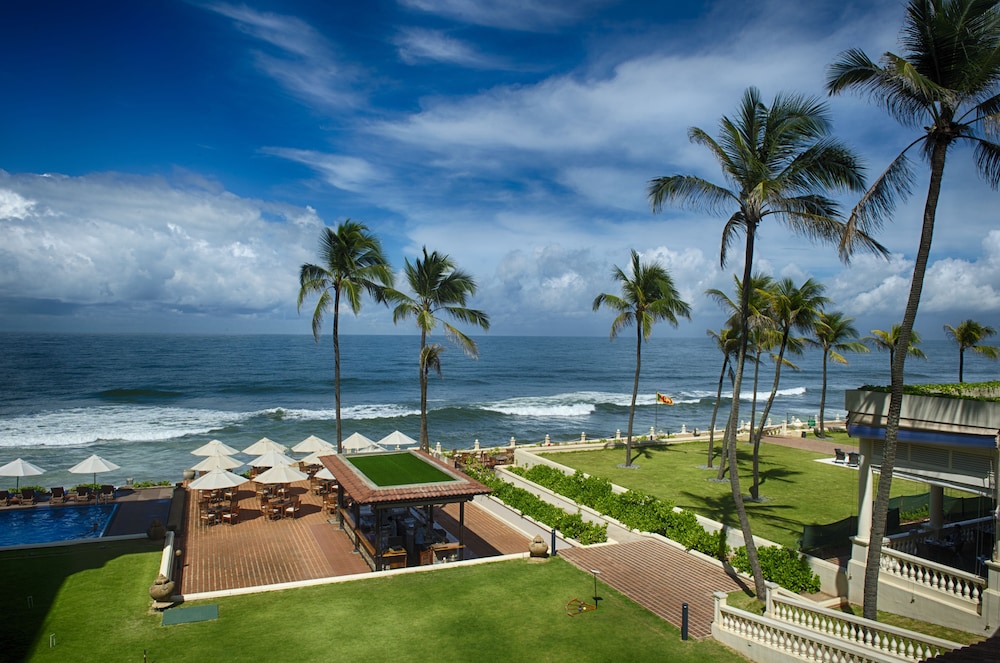
This half-kilometer ocean-side promenade is Colombo's living room. Come at sunset when families fly kites, couples stroll hand-in-hand, and food vendors fire up grills selling isso wade (prawn fritters), cutlets, and spicy chickpea cones for LKR 100-300 (USD $0.30-1). The Galle Face Hotel anchors one end — a colonial-era landmark where you can sip gin and tonics while watching the Indian Ocean crash against the seawall. Free to visit, best from 5-8 PM.
This isn't your typical Buddhist temple — it's an architectural mash-up of Sinhalese, Thai, Indian, and Chinese styles housing a museum crammed with vintage cars, elephant tusks, and Buddha statues from across Asia. The adjacent Seema Malaka temple sits photogenically on Beira Lake. Entry: LKR 500 (USD $1.50). Dress modestly. Open 6 AM - 10 PM daily. Located in Colombo 2.
Built on the spot where Ceylon declared independence from Britain in 1948, this complex features Kandyan-style architecture and manicured lawns popular for morning jogs and picnics. The surrounding Colombo 7 neighborhood (Cinnamon Gardens) showcases the city's wealthiest residential area — tree-lined streets, embassy buildings, and upscale cafes. Free entry.
Sri Lanka's largest museum houses royal regalia, ancient manuscripts, and artifacts spanning 2,500 years of history. The colonial-era building itself is gorgeous. If you're a history buff, allocate 2-3 hours. Entry: LKR 1,000 for foreigners (USD $3), children LKR 500. Open 9 AM - 5 PM, closed Fridays. Near Independence Square in Colombo 7.
Colombo's most chaotic, colorful neighborhood — a sensory assault of honking three-wheelers, shouting vendors, and streets specialized by goods (one block is all spices, the next only textiles, another just electronics). This is where locals shop. You'll find cheaper prices than anywhere else, but bargain hard. Beware pickpockets in the crowds. Visit mornings (8-11 AM) for peak energy. Not for everyone, but essential for understanding working-class Colombo.
This restored colonial complex in Fort is now Colombo's trendiest dining and shopping precinct. Multiple restaurants (Italian, fusion, seafood), bars, boutiques, and a branch of the famous Ministry of Crab. It's touristy and pricey, but the architecture is beautiful and it's air-conditioned — a welcome break from Colombo's heat. Good for lunch or evening drinks.
Take a boat ride on Beira Lake (LKR 500 for 30 minutes) or walk the lakeside path admiring the floating Seema Malaka temple designed by renowned architect Geoffrey Bawa. The lake sits in central Colombo — you can combine this with visits to Gangaramaya Temple and nearby Colombo Town Hall. Best visited late afternoon.
Colombo's largest park offers shaded walking paths, a small zoo-like enclosure, and locals playing cricket on weekends. It's next to the National Museum and Colombo Town Hall — useful for a rest between sightseeing. Vendors sell king coconuts (thambili) for LKR 150-200 (USD $0.50). Peaceful mornings before 10 AM.
This stunning red-and-white striped mosque in Pettah looks like candy cane architecture. Built in 1909, it's one of Colombo's most photographed buildings. Non-Muslims can enter outside prayer times (ask permission, dress modestly, women cover hair). The surrounding streets are predominantly Muslim with excellent biriyani spots.
Colombo's closest proper beach sits 12 km south in the suburb of Mount Lavinia. Golden sand, beach bars, seafood restaurants, and the historic Mount Lavinia Hotel perched on a cliff. The water isn't pristine (this is a city beach), but it's fine for swimming. Weekends get crowded with local families. Tuk-tuk from Colombo 3: LKR 800-1,200 (USD $2.50-3.50), 30-45 minutes depending on traffic.
Colombo is divided into postal districts (Colombo 1, Colombo 2, etc.). Understanding these neighborhoods helps you choose where to stay and what each area offers.
Vibe: Historic commercial district, bustling chaos, authentic local life
What's here: Fort Railway Station, Old Dutch Hospital, colonial buildings, street markets, Red Mosque, cheapest street food
Who stays here: Budget backpackers, those arriving/departing by train, travelers who love urban grit
Pros: Central location, great transport links, rock-bottom prices
Cons: Noisy, crowded, less safe at night, limited nightlife/restaurants
Vibe: Cosmopolitan, beach access, shopping and dining hub
What's here: Galle Face Green, Liberty Plaza, ODEL department store, Odel Unlimited, mid-range to upscale hotels, beach bars
Who stays here: First-time visitors, those wanting walkable access to beaches and restaurants, mid-range travelers
Pros: Best overall location, diverse accommodation, sunset beach walks
Cons: Can feel touristy, traffic-heavy main roads
Vibe: Trendy, young, nightlife-focused
What's here: Bars, clubs, gastropubs, boutique hotels, coworking spaces, hipster cafes
Who stays here: Party travelers, digital nomads, those wanting Colombo's creative scene
Pros: Best nightlife, walkable restaurant clusters, good PickMe/Uber availability
Cons: Can be loud on weekends, farther from main tourist sights
Vibe: Upscale, quiet, leafy residential with embassies
What's here: Independence Square, National Museum, Viharamahadevi Park, Colombo Racecourse, luxury hotels, high-end restaurants
Who stays here: Luxury travelers, families, those seeking peaceful surroundings
Pros: Safe, green spaces, top-tier hotels, elegant atmosphere
Cons: Limited budget options, requires tuk-tuks to reach beaches/nightlife
Vibe: Beach suburb, relaxed, seafood-focused
What's here: Beach, Mount Lavinia Hotel, seafood restaurants, sunset spots
Who stays here: Those prioritizing beach over city, families, travelers on a slower pace
Pros: Beach access, less hectic than central Colombo, good seafood
Cons: 30-45 min from main Colombo attractions, less connected to urban energy
Clock Inn Colombo (Fort) — Social hostel near Fort Railway Station, rooftop bar, dorms and privates, walking distance to Pettah Market. Popular with backpackers starting/ending Sri Lanka trips.
City Beds The Regent (Kollupitiya) — Modern hostel in Colombo 3, near Galle Face Green, clean facilities, female-only dorms available, cafe downstairs.
Why Not Hostel (Colombo 6) — Budget-friendly, local vibe, near Wellawatte (Tamil neighborhood), excellent hoppers nearby.
Browse more options on our hostels page.
Havelock Place Bungalow — Boutique hotel in Colombo 5, colonial charm, pool, excellent breakfast, walking distance to bars and restaurants.
Cinnamon Red Colombo — Modern design hotel near Colombo City Centre mall, rooftop pool, tech-forward rooms, good for business/leisure travelers.
Jetwing Colombo Seven — Upscale mid-range in Colombo 7, rooftop restaurant with city views, quiet location near Independence Square.
Shangri-La Colombo — Waterfront 5-star hotel, stunning ocean views, multiple restaurants including Table One (fine dining), spa, infinity pool. Starting around LKR 35,000 (USD $105).
Hilton Colombo — Centrally located in Fort, facing the ocean, 5 restaurants, casino, large pool, business facilities. LKR 28,000+ (USD $85+).
The Kingsbury — Galle Face location, modern luxury, rooftop bar with sunset views, walk to Galle Face Green. LKR 30,000+ (USD $90+).
Mount Lavinia Hotel — Historic colonial hotel on a cliff overlooking the beach, old-world charm, romantic setting, 30 minutes from central Colombo. LKR 25,000+ (USD $75+).
Compare and book directly via Klook — prices from USD 104/night.



Ministry of Crab — Colombo's most famous restaurant, housed in a Dutch colonial building. Order the garlic chili crab (market price, around LKR 8,000-15,000 depending on size). Reservations essential. Old Dutch Hospital, Fort.
The Lagoon — Upscale seafood in Cinnamon Grand Hotel. Choose your fish from the display, they'll cook it to your preference. Excellent crab curry. Expect LKR 5,000-8,000 per person. Colombo 3.
Upali's by Nawaloka — Authentic Sri Lankan cuisine loved by locals. Try rice and curry (LKR 800-1,200), lamprais, deviled dishes. Multiple locations, the Kollupitiya branch is most central.
Paradise Road The Gallery Cafe — Chic courtyard restaurant in a Geoffrey Bawa-designed space. Fusion menu, excellent for lunch or weekend brunch. LKR 2,500-4,000 per person. Colombo 3.
Kottu Roti — Sri Lanka's signature street food: chopped roti stir-fried with vegetables, egg, and your choice of chicken, mutton, or seafood. The rhythmic clanging of metal blades on the griddle is Colombo's soundtrack. Try at Pilawoos (Wellawatte) or any street-side kottu cart. LKR 400-700 (USD $1.20-2).
Hoppers (Appa) — Bowl-shaped rice flour pancakes, eat them plain or with an egg cracked in the center. Hopper Hut (Colombo 5) and Swartha's (Bambalapitiya) serve excellent versions. LKR 50-200 per hopper.
Galle Face Green food stalls — Sunset snacking at its finest. Try isso wade (prawn fritters), cutlets, spicy chickpeas, fresh corn. LKR 100-300 per item. Eat standing up, paper plate in hand, ocean breeze in your face — peak Colombo.
Barefoot Garden Cafe — Hidden garden oasis in Colombo 3, attached to Barefoot store. Serves lunch, fresh juices, cakes, and excellent coffee. Peaceful escape from city chaos.
Café Kumbuk — Hipster hangout in Colombo 5, third-wave coffee, healthy bowls, smoothies, coworking-friendly. LKR 800-1,500 for meals.
t-Lounge by Dilmah — Tea-focused cafe by Sri Lanka's famous tea brand. Multiple locations, try the Ceylon tea tasting sets and tea-infused desserts. LKR 800-2,000.
Colombo's after-dark scene has exploded in recent years. From rooftop bars with Indian Ocean sunsets to underground electronic music venues, the city now offers genuine nightlife beyond hotel bars.
Sky Lounge — Kingsbury Hotel's rooftop bar, 360° views of Colombo and ocean, sunset cocktails (LKR 1,500-2,500), dress code enforced. Open 5 PM - midnight.
Curve Bar — Hilton's sleek rooftop bar, resident DJs on weekends, poolside lounging, cocktails around LKR 2,000. Popular with expats and upscale locals.
The Smoke Room — Speakeasy-style bar in Colombo 7, craft cocktails, dim lighting, jazz nights. More intimate vibe than mega-clubs.
For comprehensive coverage of Colombo's nightlife including clubs, bars, and safety tips, check our detailed Colombo nightlife guide and best clubs in Colombo. Also explore things to do in Colombo at night.
Beach town near the airport, Dutch colonial architecture, fish market, lagoon boat rides. Good for your first or last day in Sri Lanka if your flight timing is awkward. Bus from Colombo: LKR 100-150, train: LKR 80-150.
UNESCO World Heritage fortified city, stunning colonial architecture, boutique hotels, cafes, lighthouse, ocean views. Essential Sri Lanka experience. Train from Colombo Fort: LKR 200-300 (2nd class), one of the world's most scenic coastal train rides. Make it a full day trip or overnight.
Sri Lanka's cultural capital, Temple of the Tooth, Kandy Lake, botanical gardens. Train journey is scenic. Read our complete Kandy travel guide 2026 for details. Train: LKR 300-400 (2nd class), 2.5-3 hours.
Colombo's most common transport. Always negotiate price before getting in (expect LKR 300-800 for most central trips). Metered tuk-tuks exist but are rare. Short trip (1-2 km): LKR 250-400. Fort to Galle Face: LKR 300-500. Fort to Colombo 7: LKR 500-800. Traffic heavily impacts duration — what should be 15 minutes can take 45 during rush hours (7-9 AM, 5-7 PM).
PickMe is Sri Lanka's local ride-hailing app (like Uber). Both operate in Colombo. Slightly more expensive than negotiated tuk-tuks but more reliable and safer. Download both apps. Most rides LKR 300-1,000 depending on distance. Useful for late-night travel or if you don't want to bargain.
Cheap (LKR 30-80 for most routes) but crowded, confusing for tourists, and slow in traffic. Public buses are an adventure if you're patient. Private air-conditioned buses cost slightly more but are more comfortable. Only recommended if you're on extreme budget or enjoy local transport chaos.
Some areas are walkable: Galle Face to Fort (2 km), Kollupitiya to Bambalapitiya along beach road, Cinnamon Gardens around Independence Square. However, Colombo's heat, humidity, and inconsistent sidewalks make walking long distances unpleasant. Walk within neighborhoods, use tuk-tuks between districts.
Sri Lanka's premier department store. Colombo's main branch (Odel Unlimited, Colombo 3) spans multiple floors: Sri Lankan fashion, handicrafts, homewares, bookstore, food court. Fixed prices, air-conditioned comfort. Good for quality souvenirs. Multiple locations across the city.
If you want to bargain and experience raw Colombo commerce, Pettah is essential. Each street specializes: textiles, spices, electronics, jewelry. Prices are 30-50% lower than tourist shops, but you must haggle aggressively. Start at half the asking price. Watch for pickpockets in crowds.
Modern shopping mall in Colombo 2, international brands, food court, cinema. Similar to Western malls. Useful for grabbing something you forgot to pack or escaping the heat.
High-quality Sri Lankan handicrafts, textiles, clothing, and homewares in a beautiful shop with attached garden cafe. Fixed prices, excellent for ethical souvenirs and gifts. Colombo 3 (Galle Road).
Colombo's event scene is growing fast — from international DJs to cultural festivals to food markets. Major events include:
For a comprehensive list of upcoming concerts, festivals, and events, check our Colombo events guide 2026 or browse current listings on our events page.
1 day (minimum): Galle Face Green sunset, Gangaramaya Temple, quick walk through Fort or Pettah, dinner at Ministry of Crab or Upali's. You'll get a taste but miss the city's depth.
2 days (recommended): Day 1 covers Fort, Pettah, Galle Face, and street food. Day 2 explores Colombo 7 (Independence Square, National Museum), Beira Lake, shopping at Odel, and nightlife in Colombo 5. This gives you both colonial history and modern energy.
3 days (ideal): Add a day trip to Mount Lavinia Beach, leisurely cafe-hopping in Colombo 3, deeper dive into neighborhoods, attending a cultural event or live music, and experiencing the full restaurant scene from street food to fine dining.
Digital nomads: Colombo is increasingly popular for remote work. Check our coworking spaces guide for Colombo's best work-friendly cafes and dedicated coworking facilities.
Absolutely! Colombo offers a unique blend of colonial architecture, Buddhist temples, modern shopping, vibrant street food, and a growing nightlife scene. It's the perfect place to experience Sri Lanka's urban energy before heading to beaches or hills. Most travelers spend 2-3 days here exploring neighborhoods, tasting cuisine, and acclimating to the culture.
2-3 days is ideal for Colombo. Day 1 covers Fort, Pettah, and Galle Face Green. Day 2 explores Gangaramaya Temple, Beira Lake, and Cinnamon Gardens. Day 3 allows for shopping, beach time at Mount Lavinia, and nightlife. If you're on a tight schedule, you can hit the highlights in 1 full day, but you'll miss the city's layered character.
Yes, Colombo is generally safe for tourists. Use standard precautions: watch belongings in crowded markets like Pettah, avoid unlicensed taxis, and be cautious crossing streets (traffic is chaotic). Neighborhoods like Colombo 3, 5, and 7 are very safe to walk day and night. Solo female travelers report feeling comfortable, especially in upscale areas.
Colombo 3 (Kollupitiya) is the best overall area — central location, restaurants, shopping, and beach access. Colombo 5 (Havelock Town) is ideal for nightlife lovers. Colombo 7 (Cinnamon Gardens) suits those wanting upscale, quiet surroundings. Fort is great for budget travelers near the main train station. Mount Lavinia offers beach vibes 30 minutes south.
Colombo is cosmopolitan and relaxed. Casual wear is fine — shorts, t-shirts, sundresses work for most areas. Cover shoulders and knees when visiting temples (carry a sarong or shawl). Upscale restaurants and rooftop bars may have smart casual dress codes. Lightweight, breathable fabrics are essential in the tropical heat. Colombo nightlife allows trendy, stylish outfits.
The best time to visit Colombo is December to March (dry season, cooler weather). April is hot but has Sinhala/Tamil New Year celebrations. May to September sees southwest monsoon rains (afternoon showers, still manageable). October-November is wettest. Colombo is a year-round destination — the city functions regardless of weather, unlike beach towns.
Colombo won't seduce you with pristine beaches or misty tea plantations — that's not its job. This city's appeal is messier, louder, and more complex. It's in the clang of kottu griddles at midnight, the mingling incense from Buddhist temples and Catholic churches, the transition from colonial fort to glass skyscraper in a single city block.
Most travelers give Colombo a few hours in transit. Do yourself a favor and stay 2-3 days. Walk Galle Face at sunset, bargain in Pettah Market, eat hoppers for breakfast and Ministry of Crab for dinner, sip cocktails on a rooftop bar overlooking the Indian Ocean, and explore neighborhoods where real Sri Lankan life happens.
Colombo is Sri Lanka's heartbeat — chaotic, contradictory, and completely alive.